For many California homeowners, a roof is more than just a protective barrier against the elements. It also plays a significant role in determining home insurance eligibility, coverage options, and premiums. As insurance companies continue to reassess risk across the state, roofing materials, roof age, and overall condition have become increasingly important factors during the underwriting process.
Whether you’re planning a roof replacement or purchasing a home, understanding how roofing choices impact California home insurance can help you avoid costly surprises and make informed decisions.
Why Insurance Companies Pay Close Attention to Roofs
A roof is one of the most vulnerable parts of any home. It is constantly exposed to sunlight, wind, rain, debris, and in some regions, wildfire threats. When a roof fails, the resulting damage can be extensive, often affecting ceilings, walls, insulation, flooring, and personal belongings. Because roof-related claims can be expensive, insurance companies carefully evaluate a home’s roof before issuing or renewing a policy. A newer, well-maintained roof generally signals lower risk. An aging or damaged roof may lead to higher premiums, limited coverage, or even denial of insurance coverage.Roof Age and Its Impact on Home Insurance
Many insurance providers have guidelines regarding roofs that exceed a certain age threshold. While requirements vary by company, roofs older than 20 years often receive additional scrutiny. Older roofs are more likely to experience:- Leaks
- Missing shingles
- Structural deterioration
- Water intrusion
- Wind damage
Roofing Materials Can Affect Insurance Costs
Insurance companies often consider the durability, fire resistance, and lifespan of roofing systems when calculating risk.Asphalt Shingles
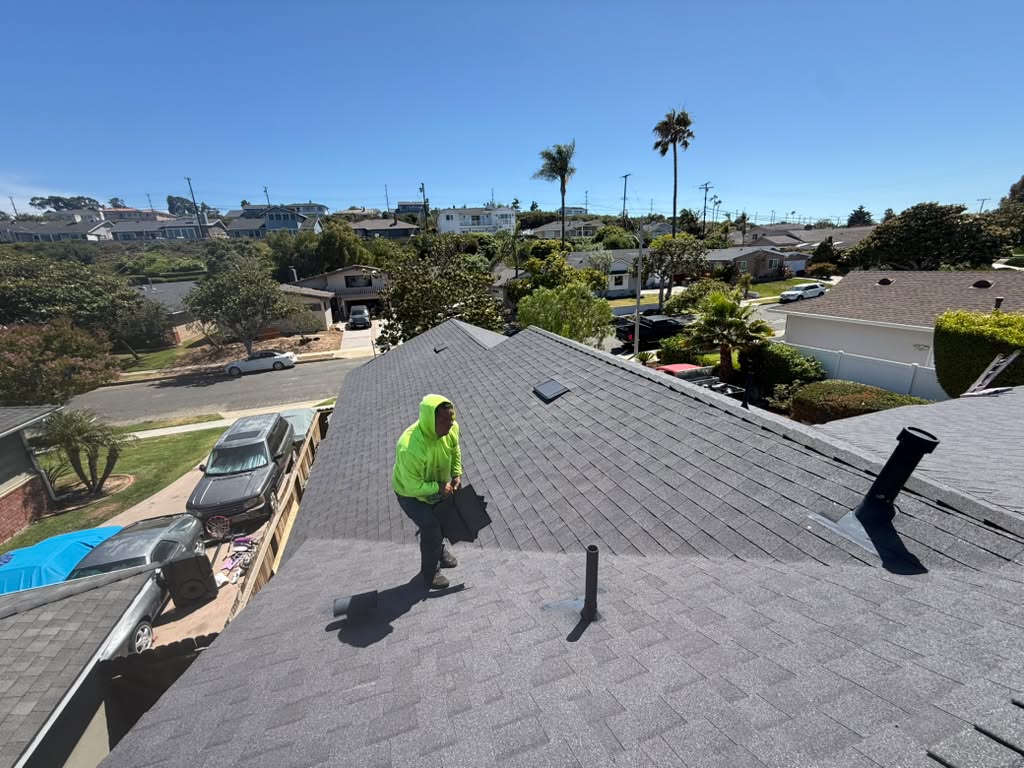
Asphalt shingles remain one of the most common roofing materials in California due to affordability and ease of installation. Insurance providers may view standard asphalt roofs as moderate-risk depending on age and condition.Tile Roofing
Clay and concrete tile roofs are popular throughout Southern California and may be viewed more favorably by insurers:- Excellent fire resistance
- Long lifespan
- Strong performance in hot climates
- Resistance to rot and insect damage
Metal Roofing
Increasingly popular in wildfire-prone areas:- High fire resistance
- Durability
- Long service life
- Low maintenance requirements
Wood Shake Roofs
Wood shake roofs are often considered higher-risk due to their combustible nature. In wildfire-prone regions, homes with wood shake roofing may face higher premiums or limited insurance availability. Replacing an aging wood shake roof with a fire-resistant alternative can be a worthwhile investment.Fire-Resistant Roofing Matters in California
Wildfires remain one of the most significant concerns for insurers operating in California. Many insurers prefer homes equipped with Class A fire-rated roofing systems — the highest level of fire resistance available under building standards.- Concrete tile
- Clay tile
- Metal roofing
- Certain fiberglass asphalt shingles
Roof Condition and Maintenance Are Important
Even the best roofing material can become a liability if poorly maintained. Insurance companies may inspect roofs for signs of:- Missing shingles
- Cracked tiles
- Sagging areas
- Water damage
- Moss or debris buildup
- Previous repair issues
Roof Replacement and Insurance Benefits
A roof replacement is a significant investment, but it often provides benefits beyond improved curb appeal. A new roof may help homeowners:- Qualify for broader insurance coverage
- Reduce perceived risk
- Improve insurability
- Avoid policy restrictions
- Increase property value
Can a Damaged Roof Affect Insurance Claims?
Yes. Insurance policies generally cover sudden and accidental damage, such as damage caused by windstorms or falling trees. However, insurers may deny claims if the damage results from neglect, poor maintenance, or long-term deterioration. This is why routine maintenance and timely repairs are so important.Final Thoughts
Roofing choices can have a meaningful impact on California home insurance. Factors such as roof age, material type, fire resistance, and overall condition all influence how insurance companies assess risk. Whether you’re replacing an old roof or building a new home, considering the insurance implications of your roofing decisions can help protect both your property and your finances.Frequently Asked Questions
Does a new roof lower homeowners insurance in California?
A new roof may help reduce insurance costs because it lowers the risk of leaks, storm damage, and structural issues. Discounts vary by insurer and roofing material.What is the best roofing material for insurance purposes?
Metal roofing, concrete tile, clay tile, and Class A fire-rated asphalt shingles are often viewed favorably because of their durability and fire resistance.Can insurance companies refuse coverage because of an old roof?
Yes. Some insurers may decline coverage or require a roof inspection if a roof is considered too old or is showing signs of deterioration.Does roof maintenance affect insurance claims?
Absolutely. Insurance companies may deny claims if damage is linked to neglected maintenance or long-term wear and tear.What is a Class A fire-rated roof?
A Class A roof provides the highest level of fire resistance under industry testing standards. These roofs are commonly recommended in wildfire-prone areas of California.Will replacing a wood shake roof help with insurance?
In many cases, yes. Replacing wood shake roofing with a fire-resistant roofing system may improve insurance eligibility and reduce risk concerns.How often should a roof be inspected?
Most roofing professionals recommend a roof inspection at least once a year and after major storms or weather events. Concerned about your roof’s insurance eligibility? Contact Best West Roofing for a free inspection — (323) 304-3580.Concerned About Your Roof’s Insurance Eligibility?
Contact Best West Roofing for a free inspection.
(323) 304-3580